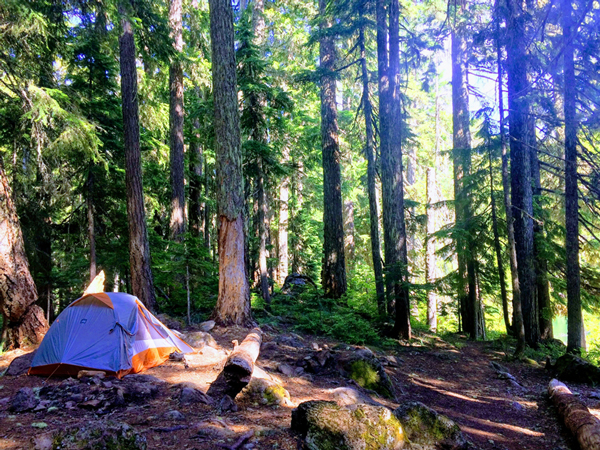
Wild Weekends: The Over-40 Woman’s Guide to Pacific Northwest Adventure
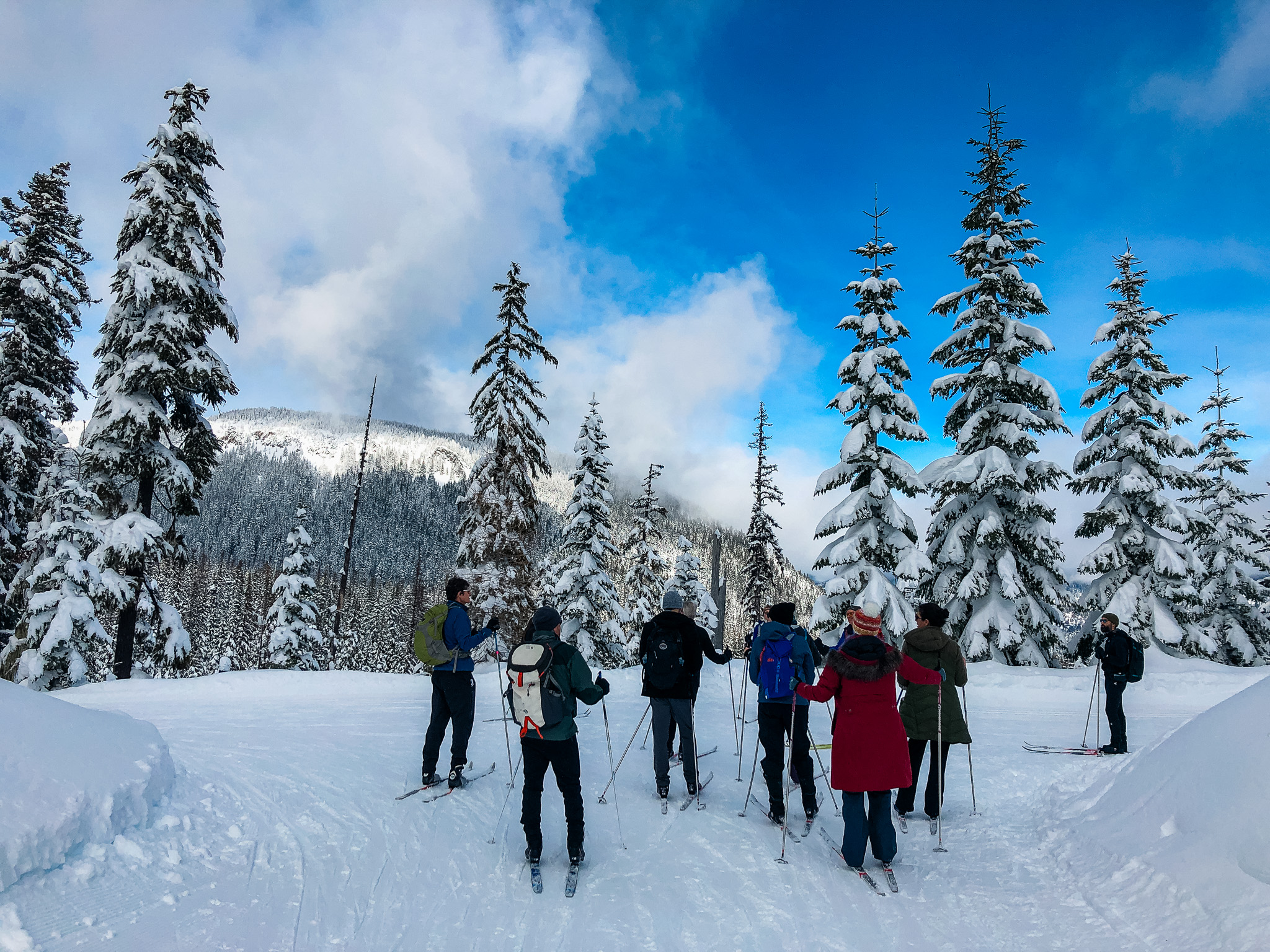
Best Central Oregon Nordic Skiing
March 21, 2026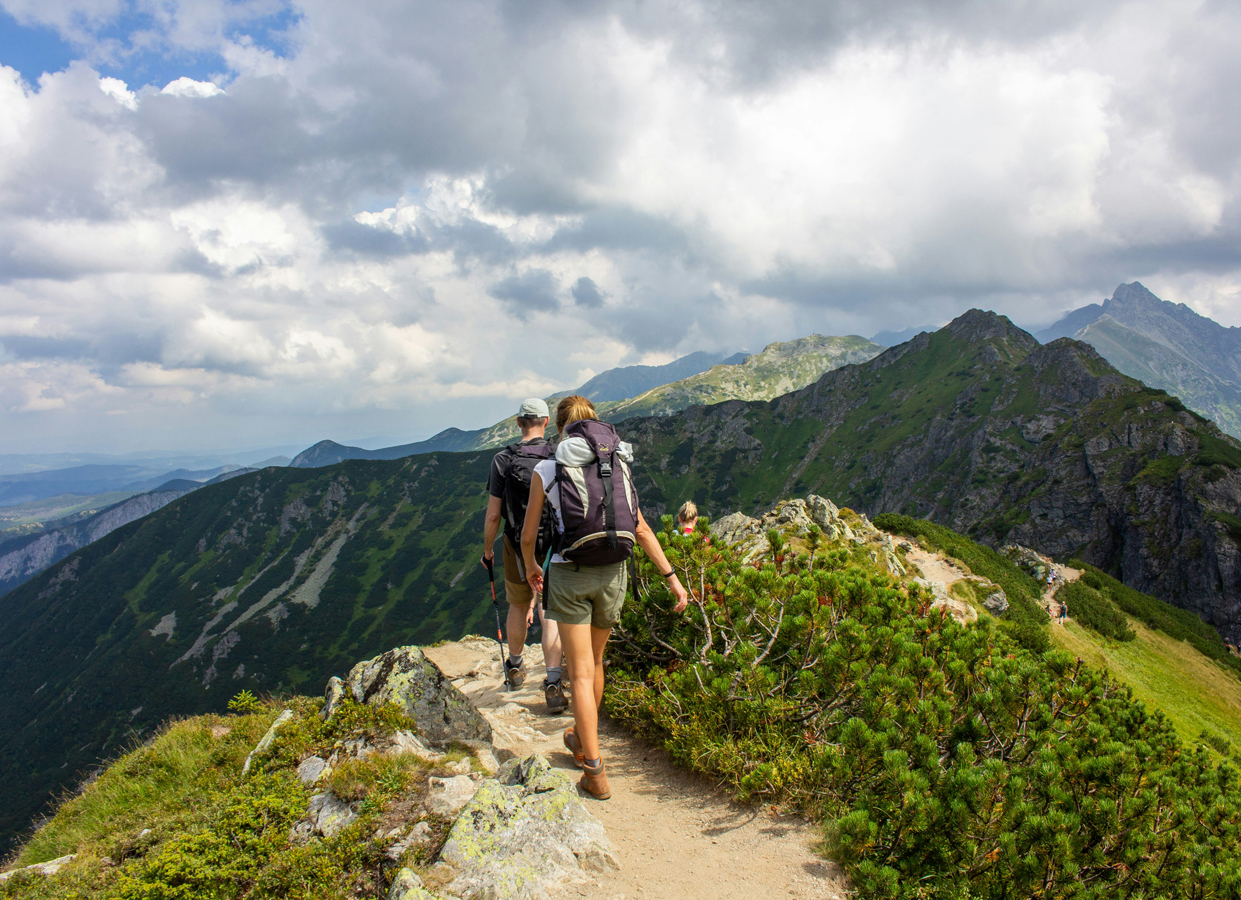
The Best Hiking Gear for the Pacific Northwest (Tried & Tested on PNW Trails)
June 11, 2026There's never going to be a 'perfect' time to go. The trail will always be there. The mountain isn't going anywhere. But you — you're ready right now, even if a little voice in the back of your head is whispering otherwise.
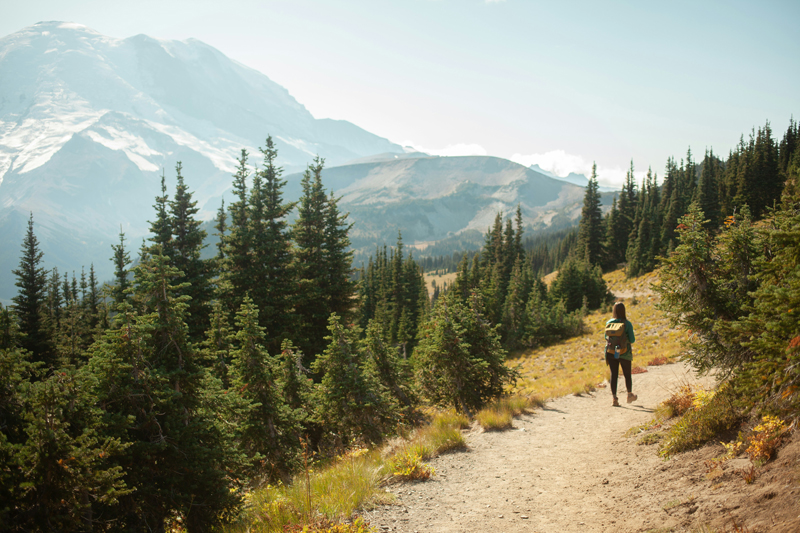 Welcome to Wild Weekends — a guide written specifically for women over 40 who love nature, crave adventure, and want to make the most of a Pacific Northwest weekend escape. Whether you're a seasoned hiker who's been lacing up boots for decades or someone who recently rediscovered their love of the outdoors, this is your practical, inspiring companion.
The Pacific Northwest is one of the most breathtaking places on earth. Ancient rain forests, volcanic peaks, dramatic coastlines, mirror-still mountain lakes — it's the kind of place that makes you feel genuinely alive. And the best part? You don't have to hike 20 miles or camp in the wilderness to experience it. A single weekend, planned thoughtfully, can be absolutely transformative.
Here's everything you need: when to go, what to pack, which trails match your fitness level, how to stay safe, and how to nourish your body so you feel amazing out there. Plus a little encouragement for those of you thinking about going solo — because there is nothing quite as powerful as a woman exploring wild places on her own terms.
Planning Your Perfect PNW Weekend
A little forethought goes a long, long way — especially when it comes to PNW weather, which has its own very strong opinions.
When Should You Go?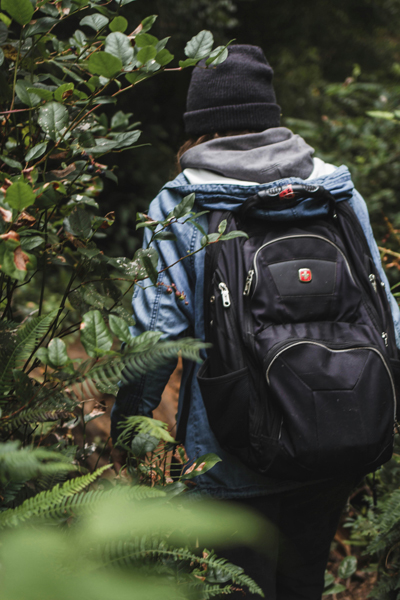
Spring (April–June): Wildflowers everywhere, roaring waterfalls, and an almost impossibly vivid green. Trails can be muddy; stick to lower elevations early in the season.
Summer (July–September): Peak season — long days, mild temps, most trails fully open. Book early.
Fall (October–November): Arguably the most underrated season. Crowds thin, foliage turns golden, and the air has a magical crispness. Pack for rain.
Winter (December–March): The coastline and low-elevation rain forests are stunning and crowd-free. Embrace the moody, misty atmosphere.
Great Home Bases
- Seattle, WA — easy access to Mount Rainier, the North Cascades, and the Olympic Peninsula
- Portland, OR - gateway to the Columbia River Gorge, Mount Hood, and the Oregon Coast
- Bend, OR - high-desert vibes, volcanic landscapes, and excellent wine country nearby
- Olympic Peninsula, WA - remote and wild: rain forests, sea stacks, and elk
Where to Stay
Roughing it is optional. Consider cozy cabin rentals on Hipcamp or VRBO, glamping in a yurt or Airstream, or iconic historic lodges like Paradise Inn at Mount Rainier or Timberline Lodge at Mount Hood. Washington and Oregon state park campgrounds are well-maintained and often have restrooms and showers if camping is your thing.
Pro tip: Leave room to change your plans. The PNW weather shifts fast, and you might discover a side trail you never knew existed. Plan your 'A' adventure, but have a 'B' in your back pocket. Flexibility is freedom.
Gear That Works for Your Body
You don't need to spend a fortune. But you do need the right gear — especially gear that works with the body you have right now, not the body you had at 30. After 40, our joints, feet, and temperature regulation systems all deserve a little extra consideration.
Footwear: Your Most Important Investment
Do not cut corners on shoes. Sore, blistered feet will end a trip faster than any weather system. Look for good ankle support, a wide toe box, real cushioning, and waterproofing for PNW conditions. Go to a dedicated outdoor retailer like REI and have your foot properly measured and fitted.
Pro tip: Break in new footwear at home for at least 2–3 weeks before a big trip. Your feet will thank you on mile 6.
Layering for PNW Weather (It Will Rain)
The PNW saying is true: there's no bad weather, only bad clothing. Think in three layers:
- Base layer: Merino wool is excellent — moisture-wicking, temperature-regulating, and odor-resistant.
- Mid layer: A lightweight down jacket that compresses into your pack for insulating warmth.
- Outer layer: Waterproof and windproof — the PNW non-negotiable. Look for pit zips for ventilation on uphill climbs.
Why Trekking Poles Are a Game-Changer
If you haven't tried trekking poles, this is your invitation. After 40, they are genuinely lifechanging on the trail — taking 25–30% of the impact off your knees on descents, improving balance on uneven terrain, and giving you confidence on slippery roots or rocks. Get lightweight, collapsible poles with cork or foam handles. You'll wonder how you ever hiked without them.
Essential Weekend Packing List
- Hiking boots/trail shoes (broken in!)
- Moisture-wicking base layers (x2), fleece mid-layer, waterproof jacket
- Daypack (20–30L) + water bottles (2L minimum)
- Navigation: AllTrails offline + paper map backup + Garmin inReach Mini
- First aid kit, sunscreen, sunglasses, hat, headlamp, trekking poles, snacks & lunch
Hiking Adventures for Every Fitness Level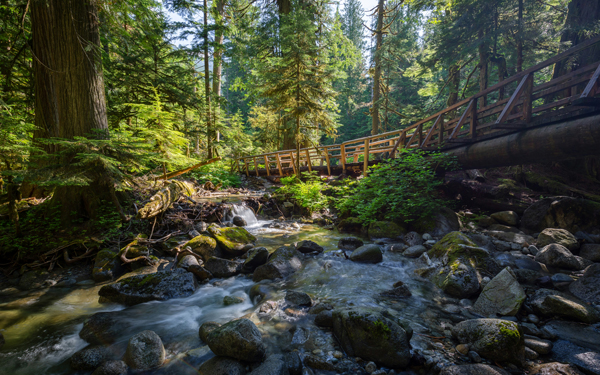
Let's be clear: there is no 'right' level of fitness for enjoying the Pacific Northwest. Whether you're walking a flat waterfall path or pushing to a rocky summit, you are out there - and that counts for everything.
Easy & Scenic: Big Rewards, Gentle Effort
- Multnomah Falls Trail, OR — the iconic 620-foot waterfall, accessible right from the parking lot. Go early on weekdays.
- Hoh Rain Forest Hall of Mosses, WA — a flat, magical walk through ancient old-growth forest draped in luminous green moss.
- Cape Flattery, WA — the most northwestern point in the contiguous US, with a well-maintained boardwalk to dramatic sea cliffs.
Moderate: Working for Your Views
- Artist Point, WA (Mount Baker area) — start at high elevation with immediate jawdropping views of Mounts Baker and Shuksan.
- Tom Dick & Harry Mountain, OR — ~10 miles round trip near Mount Hood with a beautiful summit lake. Bring your poles.
- Rattlesnake Ledge, WA — popular, manageable trail near Seattle with a fantastic rocky ledge viewpoint. Great confidence-builder.
Challenge Yourself: Summit Goals
- Mount Si, WA — steep, 8-mile round trip with 3,000+ feet of gain. Serious achievement. Not for beginners, but doable for fit hikers.
- Dog Mountain, WA — one of the Gorge's most celebrated wildflower hikes in spring.
Steep and glorious.
Mount Defiance, OR — the hardest trail in the Columbia Gorge. Earn serious bragging rights.
Golden rule: Turning around when your body tells you to is not weakness — it's the smartest thing a hiker can do. The trail will still be there next time. You only get one set of knees.
Beyond the Trail: More Ways to Experience the PNW
Hiking is amazing, but the PNW is so much more than trails. Low-impact days can be just as memorable.
Kayaking & Paddleboarding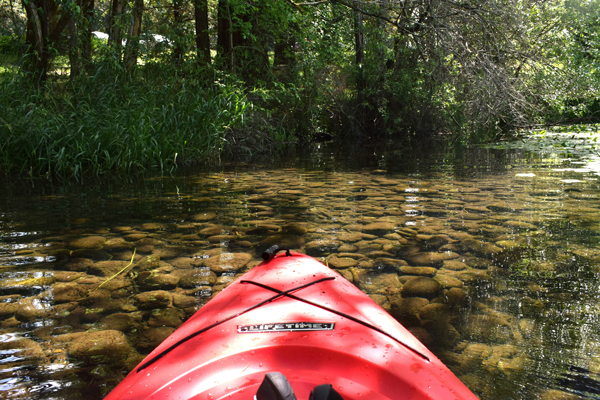
Sea kayaking in the San Juan Islands (where you might spot orcas!) is world-class and accessible for all levels. Many outfitters offer guided half-day tours — no experience necessary. For calmer water, try lake paddling at Rattlesnake Lake or Lake Quinault.
Wildlife Watching
Bring binoculars and look for orcas and harbor seals in Puget Sound, bald eagles along virtually every river, Roosevelt elk in the Hoh Rain Forest, and grey whales migrating along the Oregon coast in spring. The actual risk from wildlife encounters is very low — enjoy the magic from a respectful distance.
Tide Pooling
The Oregon and Washington coastlines have phenomenal tide pool access at places like Cannon Beach, Shi Shi Beach, and Cape Perpetua. Download a tide chart app and plan to arrive 1–2 hours before low tide.
Scenic Drives Worth Every Mile
- Mount Rainier Loop (Hwy 706 & 123) — circumnavigate the mountain with multiple short walk pullouts
- Historic Columbia River Highway (Hwy 30) — beautifully engineered road through the Gorge with waterfall viewpoints
- North Cascades Highway (Hwy 20) — glacier-carved peaks and turquoise lakes; open roughly May–November
Hot Springs: Nature's Best Reward
After a big hiking day, soaking in a natural hot spring is basically heaven. Try Umpqua Hot Springs in Oregon (a gem in the Umpqua National Forest) or Sol Duc Hot Springs in Olympic National Park (developed pools with full facilities). Book in advance because they fill up fast.
Nourishing Your Body on Adventure Days
Food is fuel — and on the trail, the right fuel makes an enormous difference in how you feel, how far you go, and how quickly you recover.
Trail Snacks That Actually Sustain You
Skip the candy bars. Your body needs sustained energy — complex carbohydrates, healthy fats, and protein. Tried-and-true options: nut butter packets with apple slices, trail mix with nuts, seeds, and dark chocolate, jerky or meat sticks, hard-boiled eggs, dates and figs for quick energy, and whole-grain crackers with nut butter or cheese. For packaged bars, look for real ingredients: RXBars, Larabars, and Kate's Real Food are all solid choices.
Hydration: The Easy Thing We Forget
Cooler PNW temperatures can fool you into thinking you don't need as much water as you actually do. Aim for half a liter per hour of moderate activity, and start drinking before you feel thirsty — thirst is already a sign of mild dehydration. For bonus points, add an electrolyte powder to your water to help prevent muscle cramps.
Post-Hike Treats (You've Earned Them)
The PNW has an incredible food culture. Post-hike rituals are part of the adventure: a latte from a local roaster in Leavenworth, a bowl of chowder at a Cannon Beach seafood shack, a pint at a Bend craft brewery, or fresh Dungeness crab from a dock fisherman on the Olympic Peninsula. Seek out the local farmers markets too - many run on weekends.
Safety, Health & Peace of Mind
Safety concerns are one of the biggest things that hold women back from getting out there — especially solo. But a lot of outdoor risk is very manageable with the right preparation. Let's take the scary mystery out of it.
Listen to Your Body
Learn to tell the difference between normal discomfort (burning muscles, heavy breathing that resolves when you rest) and signals that mean stop now: sharp or persistent joint pain, dizziness, heart palpitations, nausea, or unusual shortness of breath. If in doubt, stop, rest, eat and drink something, and see if things improve. No summit is worth your health.
The 10 Essentials — Always Carry These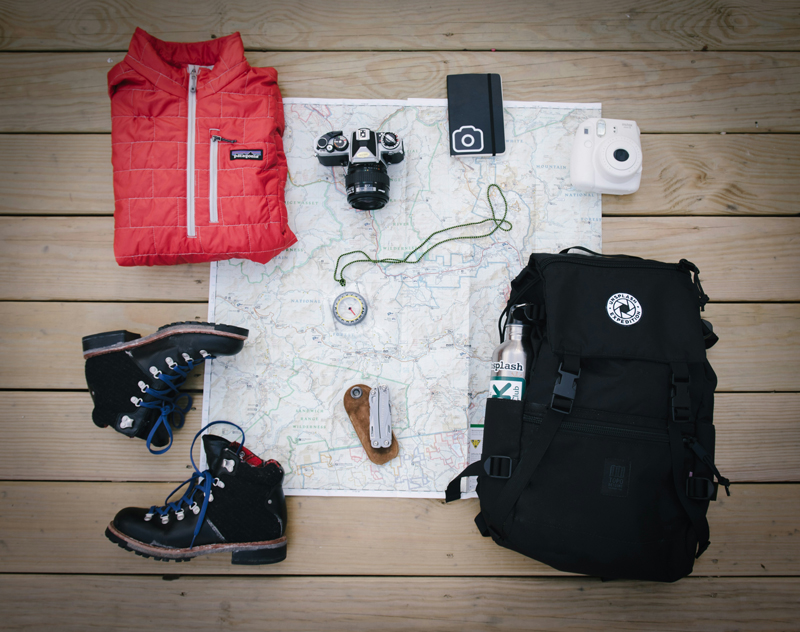
- Navigation: phone with offline maps (AllTrails), paper map, compass
- Sun protection: sunscreen, hat, sunglasses
- Insulation: extra layers even on sunny days
- Illumination: headlamp with fresh batteries
- First aid kit (include personal medications)
- Fire starting tools: lighter + waterproof matches
- Repair tools and knife
- Nutrition: extra food beyond what you think you'll need
- Hydration: water filter or purification tablets
- Emergency shelter: lightweight bivy or space blanket
Wildlife: Realistic Risk & Smart Behavior
Bears and cougars are part of what makes the PNW magical — and the actual risk of a bad encounter is very low with basic precautions. Make noise on the trail, carry bear spray and know how to use it, never approach wildlife, and store food properly if camping.
Solo Safety Check-In System
Non-negotiable if you're heading out alone: tell someone exactly where you're going and when to expect you back, leave a note in your car with your planned route, and carry a Garmin inReach Mini satellite communicator so help is always reachable even without cell service.
The Solo Adventure: Embracing Going Alone
This section is for every woman who has thought about a solo outdoor adventure — and then talked herself out of it.
Solo time in nature has a unique power for women over 40. Being out in the mountains or on the coast entirely on your own terms — moving at your own pace, making your own choices, experiencing your own thoughts without the noise of regular life — is deeply restorative. Many women describe it as the first time in decades they've felt truly free.
Start Small and Build Confidence
If solo adventure is new to you, start with a day hike on a well-traveled, clearly-marked trail close to a trailhead — on a weekend when other hikers will be around. Do the hike, come back safely, and feel how good that feels. Then build: a slightly longer trail, a solo overnight in a cabin or lodge, and eventually whatever your heart is calling you toward.
Confidence is built in small, repeated steps.
Find Your Tribe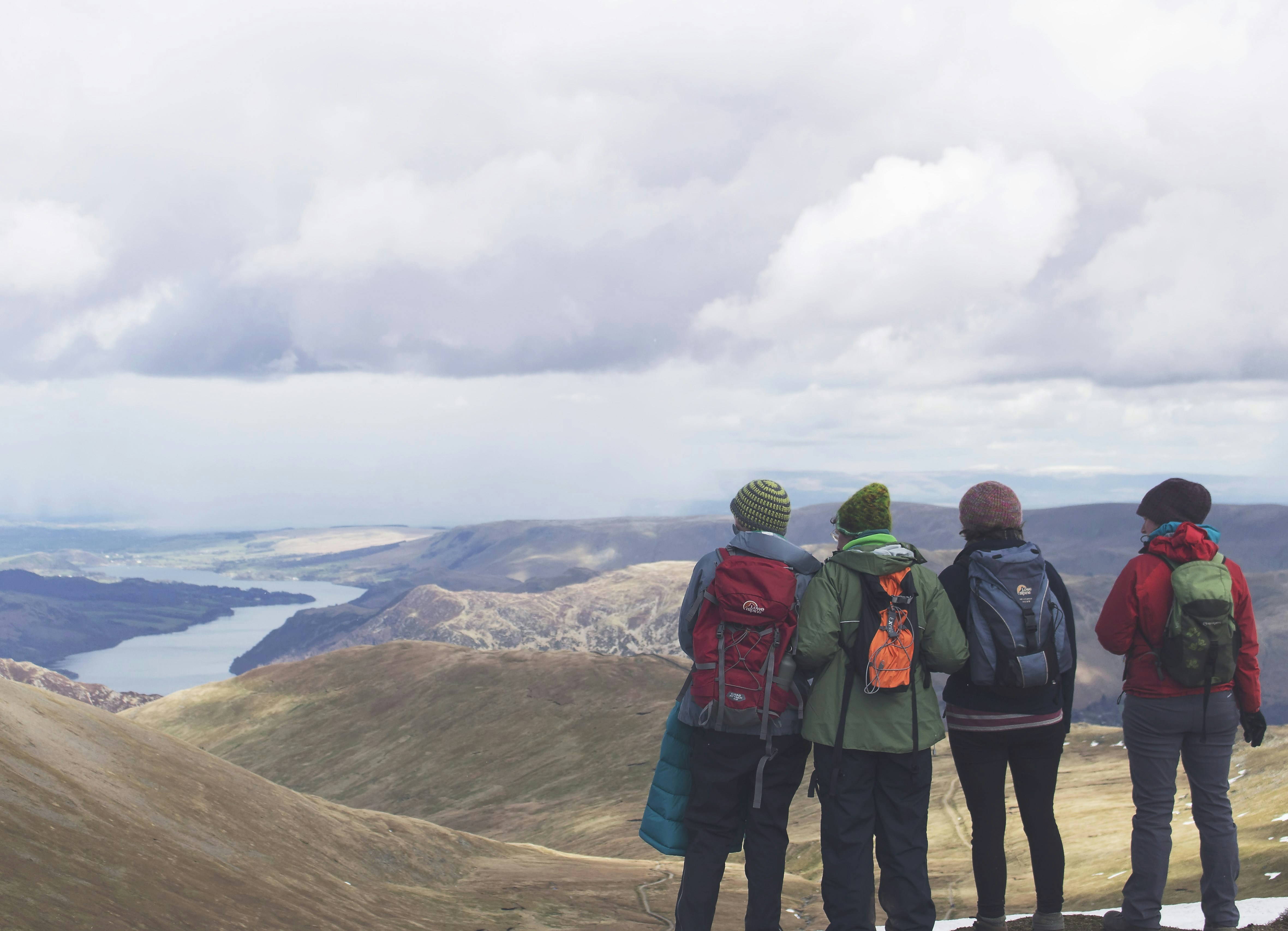
If you'd prefer to adventure with others but don't have a ready crew, here are some wonderful resources:
Washington Trails Association (wta.org) — trail info and volunteer events, great for meeting outdoorsy people
Meetup.com — search for women's hiking groups in Seattle, Portland, or Bend
Facebook Groups — search "Women Who Hike PNW" or "Women Over 40 Hiking."
Active, welcoming communities.
Your Adventure Starts Now
You don't need to be faster, fitter, younger, braver, or more experienced than you are right now. The Pacific Northwest doesn't care about your pace or your age or whether you've ever been on a trail before. It just asks that you show up.
Show up with good shoes and layers and a snack in your pack. Show up with curiosity instead of fear. Show up and let the old-growth forest and the mountain views and the sound of a waterfall do what they've always done — remind you that you belong out here just as much as anyone.
So here's your assignment: plan one weekend this season. Just one. Pick a destination.
Choose a trail. Book a cozy cabin. Tell a friend where you're going. Pack your bag.
And go.
When you get back, I'd love to hear about it. Share your story, your photos, your trailhead discovery. Our community of women over 40 who love the outdoors grows stronger every time one of us takes a step toward the wild.
Recommended Reading
Wild by Cheryl Strayed — the quintessential solo adventure memoir
The Nature Fix by Florence Williams — science-backed exploration of nature's impact on our brains and bodies
Thank you for reading Wild Weekends by KB Adventures. Now close this tab, open a maps app, and start planning. The Pacific Northwest is waiting for you. 🌲
Ready to Take Your PNW Adventure to the Next Level?
This post gives you a taste of what's waiting for you out there — but the full Wild Weekends guide goes so much deeper. Inside the complete ebook you'll find detailed trail recommendations for every fitness level, a full weekend packing checklist, solo adventure tips, safety guidance written specifically for women over 40, and my personally hand-picked gear recommendations with links to everything I actually use on the trail here in Central Oregon. It's everything you need to stop dreaming about a Pacific Northwest weekend escape and actually go on one.
👉 Grab the full Wild Weekends guide here and let's get you out there!
A Note on Affiliate Links
Some of the links in this post and in the full Wild Weekends guide are affiliate links, which means if you click through and make a purchase, I may earn a small commission — at no extra cost to you, ever. I only recommend gear and resources that I personally use and genuinely love, so you can trust that every link reflects my honest opinion from real time out on the trail. Using my links is one of the kindest ways you can support KB Adventures as a small business, and Ken and I are truly grateful for every single click. It's what allows us to keep creating free content, exploring the Pacific Northwest, and sharing it all with this amazing community. Thank you from the bottom of our hiking boots!